Electrical
Inspections
A comprehensive electrical safety inspection by an ESA-licensed electrician identifies hidden hazards, code violations, and aging wiring before they become serious problems. Serving Toronto and the GTA.
Why Get an Electrical Safety Inspection?
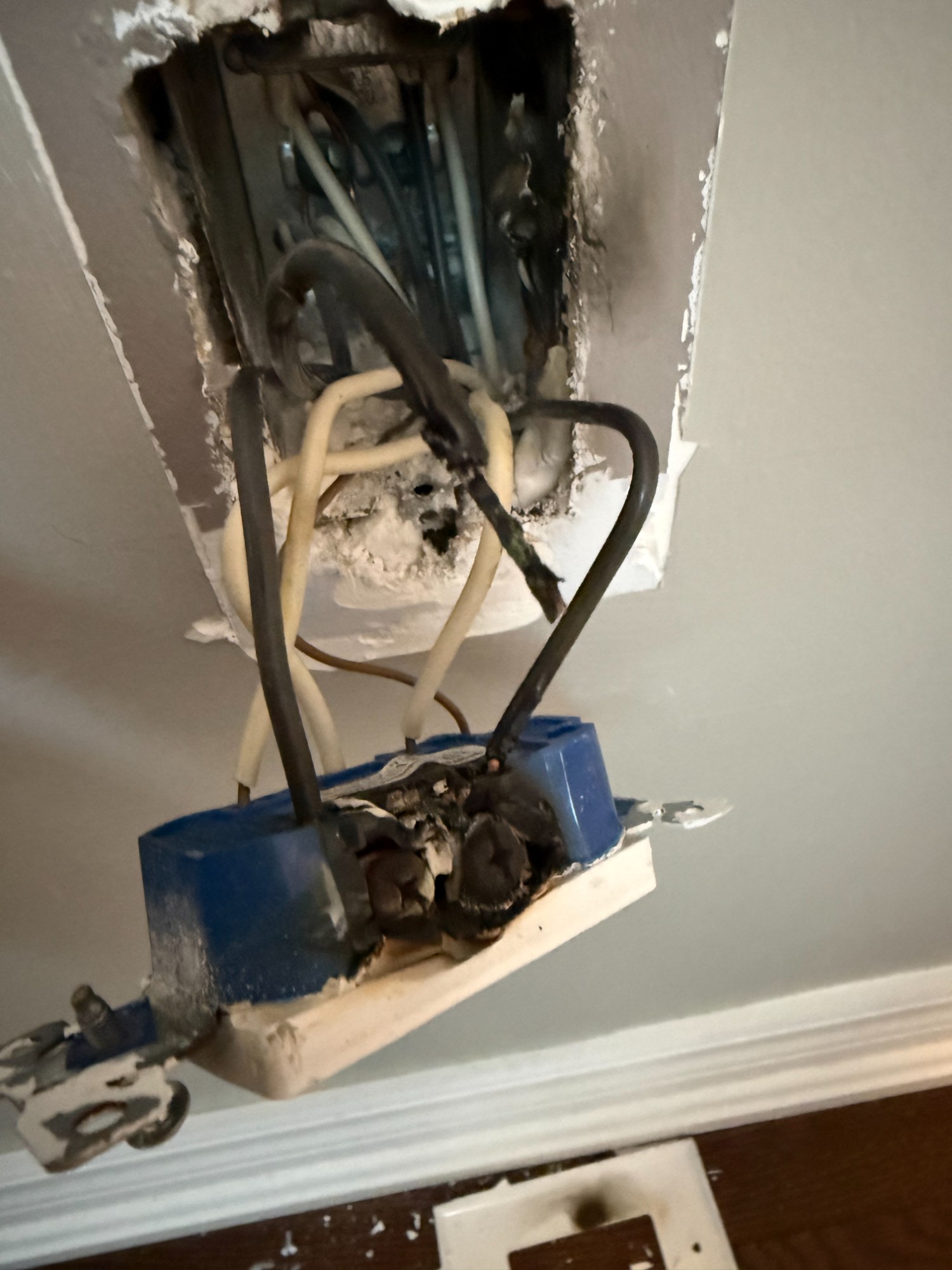
Many Toronto-area homes were built in the 1950s, 60s, and 70s — a time when electrical codes and load expectations were very different. Knob-and-tube wiring, aluminum branch wiring, undersized panels, and ungrounded outlets are all common in older GTA homes and can create serious fire and shock hazards that aren't visible to the untrained eye.
A professional electrical inspection gives you a clear, honest picture of your home's electrical safety — and identifies exactly what needs attention, ranked by urgency.
When to Book an Electrical Inspection
- Buying a home: Identify issues before closing so you can negotiate or plan repairs. Home inspectors don't always catch electrical problems.
- Selling a home: Pre-list inspections prevent last-minute surprises and demonstrate due diligence to buyers.
- Insurance requirement: Many Ontario insurers require a current electrical inspection for homes over 25 years old, or homes with knob-and-tube wiring.
- Renovation planning: Before adding circuits, upgrading appliances, or finishing a basement, know the capacity and condition of your existing system.
- Warning signs: Flickering lights, warm outlets, burning smells, breakers that trip repeatedly, or a panel that buzzes or hums all warrant immediate inspection.
- Older homes: If your home hasn't been inspected in 10+ years, a safety review is highly recommended.
What Our Inspection Covers
Every inspection is performed by an ESA-licensed Master Electrician. We examine:
- Main electrical panel — condition, capacity, breaker integrity, signs of overheating or moisture
- Wiring type throughout accessible areas — copper, aluminum, knob-and-tube
- Grounding and bonding adequacy
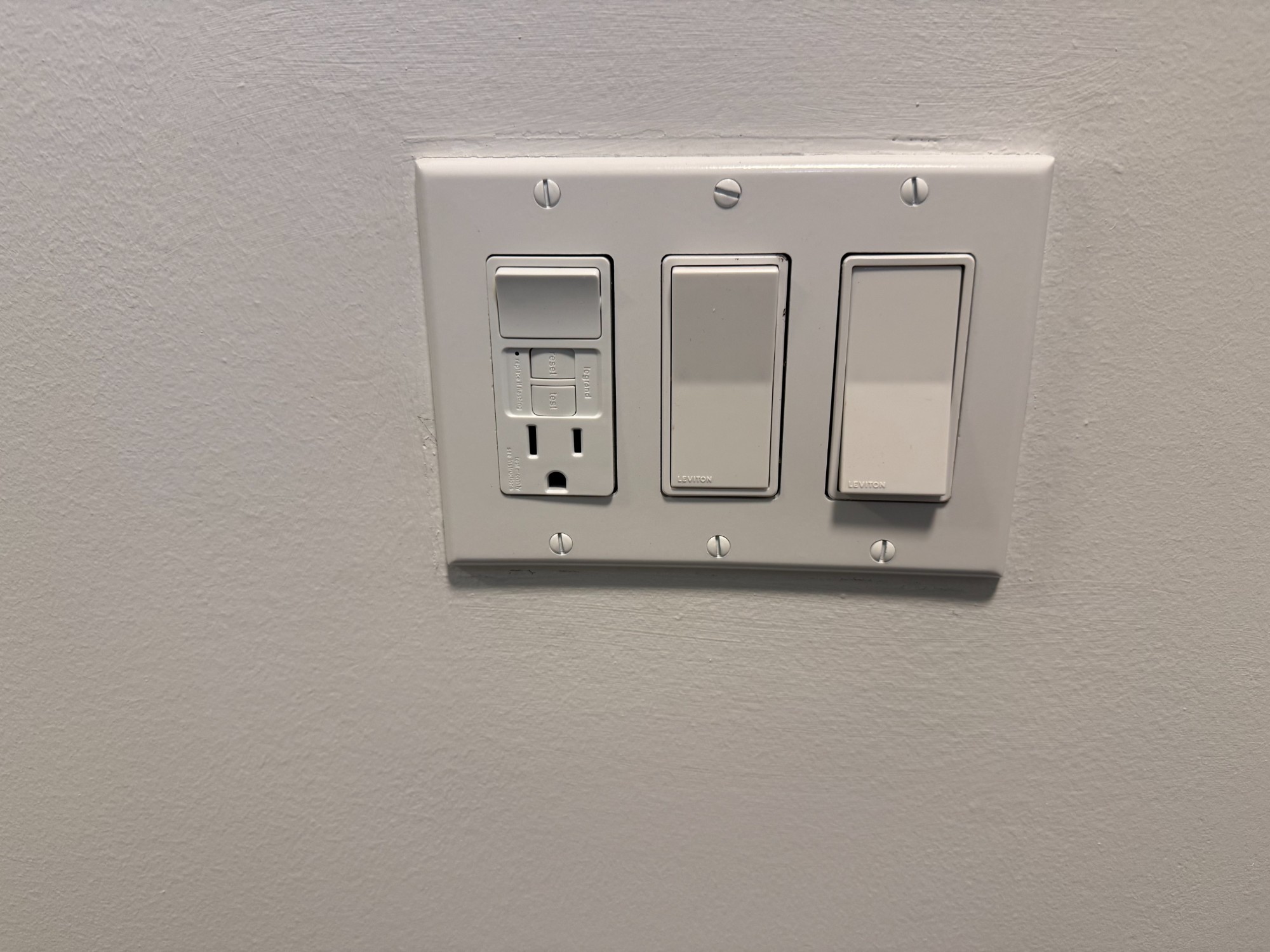
- GFCI protection in kitchens, bathrooms, garages, and outdoor areas
- AFCI protection on bedroom circuits (required in newer code)
- Outlet condition and polarity
- Smoke alarm and carbon monoxide detector placement and function
- Exterior service entrance and weatherhead condition
- Visible wiring in attic, basement, and utility areas
At the end of the inspection, you receive a written report detailing all findings, their severity, and recommended corrective actions.
ESA Inspections vs. Private Inspections
An ESA inspection is a mandatory government inspection triggered by an electrical permit — it confirms that permitted work meets code. A private electrical inspection is requested by a homeowner or buyer to assess the overall safety of an existing system, and does not require a permit. We offer both. If our inspection identifies issues requiring permitted repairs, we handle the entire process including obtaining the ESA inspection after the work is complete.
Serving the GTA
Electrical safety inspections available in Toronto, North York, Scarborough, Etobicoke, Mississauga, Brampton, Vaughan, Richmond Hill, Markham, and all GTA communities.